
The Smart Way to Water: Understanding Cycle and Soak Irrigation
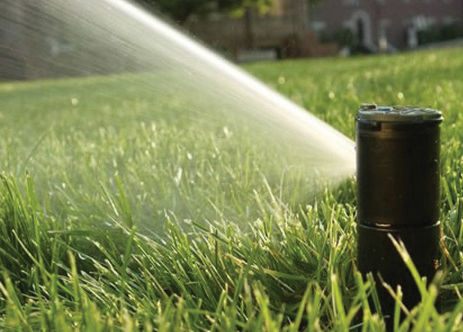
Water is the lifeblood of any landscape, but how you deliver it can make the difference between a thriving garden and one that struggles to survive. Enter cycle and soak watering—a technique that's revolutionizing how we think about irrigation efficiency and plant health.
What is Cycle and Soak Watering?
Cycle and soak, also known as pulse watering, involves breaking up your watering time into shorter intervals with rest periods in between. Instead of running your sprinklers for one continuous 20-minute session, you might run them for 5 minutes, pause for 10 minutes, then repeat the cycle. This allows water to penetrate the soil gradually rather than overwhelming it all at once.
The Science Behind Better Water Absorption
Most soils can only absorb water at a certain rate, known as the infiltration rate. Clay soils might absorb just a quarter-inch of water per hour, while sandy soils can handle several inches. When you apply water faster than the soil can absorb it, you create runoff—water that flows away from your plants instead of nourishing them.
By pulsing the water application, you give the soil time to absorb each increment fully before the next cycle begins. This maximizes the amount of water that actually reaches plant roots rather than running down storm drains.
Key Benefits for Your Landscape
Dramatic Reduction in Water Waste The most immediate benefit is eliminating runoff. On sloped areas or compacted soils, traditional watering can lose 30-50% of applied water to runoff. Cycle and soak can reduce this waste to nearly zero, meaning more water reaches your plants while your water bill shrinks.
Deeper Root Development When water penetrates deeper into the soil profile, roots follow. This creates plants with more extensive, drought-resistant root systems. Deep roots access moisture and nutrients that shallow roots miss, leading to healthier, more resilient plants that can better withstand stress periods.
Improved Soil Health Gentle water application preserves soil structure and prevents erosion. It also promotes better microbial activity in the soil, as beneficial microorganisms thrive in consistently moist but not waterlogged conditions. This biological activity improves nutrient cycling and overall soil health.
Enhanced Plant Performance Plants watered with cycle and soak methods often show improved growth, better flowering, and increased resistance to pests and diseases. The consistent, deep moisture encourages steady growth patterns rather than the stress cycles that come with feast-or-famine watering approaches.
When to Use Cycle and Soak: Seasonal and Daily Timing
Spring (March-May): The Critical Transition Spring is when cycle and soak proves most valuable. As temperatures rise and plants emerge from dormancy, soil conditions are often at their most challenging. Winter moisture has saturated clay soils, making them slow to drain, while spring rains can create compacted conditions. This is the perfect time to implement cycle and soak, as it prevents the soil compaction that occurs when heavy watering hits already saturated ground. The technique also supports new root growth as plants begin their active growing season.
Summer (June-August): Peak Performance Season Summer heat makes cycle and soak absolutely essential. High temperatures cause rapid evaporation, and many soils develop a hardened surface layer that sheds water. During peak growing season, when plants need consistent moisture but rainfall is often sporadic, cycle and soak ensures deep water penetration despite challenging conditions. This is especially critical during heat waves when stressed soils become even less receptive to water absorption.
Fall (September-November): Preparation for Dormancy Fall watering with cycle and soak helps plants build up moisture reserves before winter while avoiding the overwatering that can lead to root rot as growth slows. The technique is particularly beneficial during this season because it allows you to provide deep, infrequent watering that encourages roots to grow deeper in preparation for winter dormancy. This deep moisture also helps protect root systems from freeze damage.
Winter (December-February): Limited but Strategic Use In most climates, winter requires minimal supplemental irrigation, but when needed, cycle and soak remains the best approach. Frozen or semi-frozen soils have extremely limited absorption capacity, making runoff a major concern with any watering method other than gentle pulsing. In warmer winter regions where irrigation continues, cycle and soak prevents the soil erosion that can occur when winter rains combine with irrigation water.
Optimal Daily Timing for Cycle and Soak
Early Morning (4:00 AM - 8:00 AM): The Golden Window Early morning represents the ideal time for cycle and soak watering. Temperatures are cool, humidity is typically higher, and wind speeds are minimal—all factors that reduce evaporation and maximize water absorption. The extended soak periods between cycles allow maximum soil penetration before the day's heat arrives. Plants also have the entire day to dry off, reducing the risk of fungal diseases that can develop when foliage remains wet overnight.
Late Evening (6:00 PM - 10:00 PM): The Secondary Choice Evening watering can work well with cycle and soak, particularly during extremely hot weather when morning watering isn't sufficient. However, timing is crucial—start early enough that foliage has time to dry before nightfall. The cooler evening temperatures and reduced wind make this timeframe effective for water absorption, though not quite as optimal as early morning due to the extended period of wet foliage overnight.
Midday Watering: When Cycle and Soak Shines While midday watering is generally discouraged due to high evaporation rates, cycle and soak can make it viable during emergencies or when other timing isn't possible. The pulsing action ensures water reaches the soil before evaporation occurs, though you'll need shorter cycles and longer soak periods to account for rapid surface drying. This approach works best on overcast days or in shaded areas.
Times to Avoid Late night watering (10:00 PM - 4:00 AM) should be avoided even with cycle and soak, as it creates ideal conditions for fungal growth and pest problems. The extended moisture on plant surfaces combined with cool temperatures provides perfect breeding conditions for plant diseases.
Tailoring Cycle and Soak to Different Soil Types
Understanding your soil type is crucial for optimizing cycle and soak watering. Each soil behaves differently when receiving water, requiring specific timing adjustments to maximize effectiveness.
Clay Soils: The Slow Absorbers Clay soils present the greatest challenge for water absorption due to their dense, tightly packed particles. These soils typically absorb water at rates of 0.1 to 0.3 inches per hour, making them prime candidates for cycle and soak. The recommended approach is short water cycles with extended soak periods—try 2-4 minutes of watering followed by 15-20 minute rest periods. This allows time for water to penetrate the small pore spaces between clay particles. Clay soils also retain water longer once absorbed, so less frequent but deeper watering sessions work best. Watch for surface crusting, which can further reduce absorption rates and may require even gentler application.
Sandy Soils: The Quick Drainers Sandy soils absorb water rapidly, often at rates of 1-3 inches per hour, but they also drain quickly and don't retain moisture well. For sandy soils, use longer water cycles with shorter soak periods—perhaps 7-10 minutes on with 5-8 minute breaks. The goal is to apply water fast enough to take advantage of the soil's high infiltration rate while still allowing some penetration time. Since sandy soils don't hold water long, you'll need more frequent watering sessions, but cycle and soak helps ensure water reaches deeper levels before draining away rather than staying in the top few inches.
Loam Soils: The Balanced Approach Loam soils, with their balanced mixture of sand, silt, and clay, typically absorb water at moderate rates of 0.5-1 inch per hour. These soils respond well to balanced cycle and soak timing—5-7 minutes on with 8-12 minute soak periods usually work effectively. Loam's good structure means water penetrates steadily without excessive runoff, making it the most forgiving soil type for cycle and soak applications. You can often use shorter total soak times than clay while achieving better penetration than sandy soils.
Silt Soils: The Compaction-Prone Silt soils can be tricky because they absorb water moderately well initially but are prone to surface sealing and compaction when wet. Use gentle cycles—3-5 minutes on with 10-15 minute soak periods—and pay careful attention to preventing surface crusting. Silt soils benefit from slightly longer soak times than their absorption rate might suggest, as the gentle application helps maintain soil structure and prevents the surface sealing that can dramatically reduce infiltration.
Rocky or Amended Soils: Custom Solutions Soils with significant rock content, organic amendments, or artificial drainage modifications require observation-based timing adjustments. Rocky soils often have unpredictable absorption patterns with fast drainage in some areas and pooling in others. Start with moderate cycle timing (5 minutes on, 10 minutes off) and adjust based on performance. Heavily amended soils with compost or other organic matter typically absorb water more readily and may need longer cycles and shorter soak periods.
Additional Landscape Factors
Beyond soil type, consider slopes, which require longer soak periods regardless of soil composition, and newly seeded areas that need gentler, more frequent cycles than established plantings. Compacted areas from foot traffic or equipment may temporarily behave like clay soils even if the underlying soil type is different.
Start by observing your current watering. If you see water running off before your normal cycle completes, that's your cue to implement pulsing. Begin with the recommended timing for your soil type, then adjust based on results.
Making the Switch
Most modern irrigation controllers offer cycle and soak programming, often called "cycle and soak" or "smart watering" features. If your system lacks this capability, you can manually create the effect by programming multiple short start times for each zone with gaps between them.
The investment in upgrading to a smart controller typically pays for itself within a year through water savings alone, not counting the improved landscape health and reduced plant replacement costs.
The Bottom Line
Cycle and soak watering represents a shift from quantity-focused to efficiency-focused irrigation. By working with your soil's natural absorption capacity rather than against it, you'll use less water while achieving better results. Your plants will be healthier, your water bills lower, and your landscape more sustainable—a true win-win-win situation that makes both environmental and economic sense throughout the growing year.

